Future Stories
Role: Author, Designer & Lead Social Researcher
Recognition: Shortlisted for the Royal Town Planning Institute (RTPI) Excellence Awards

BCP Futurelab:
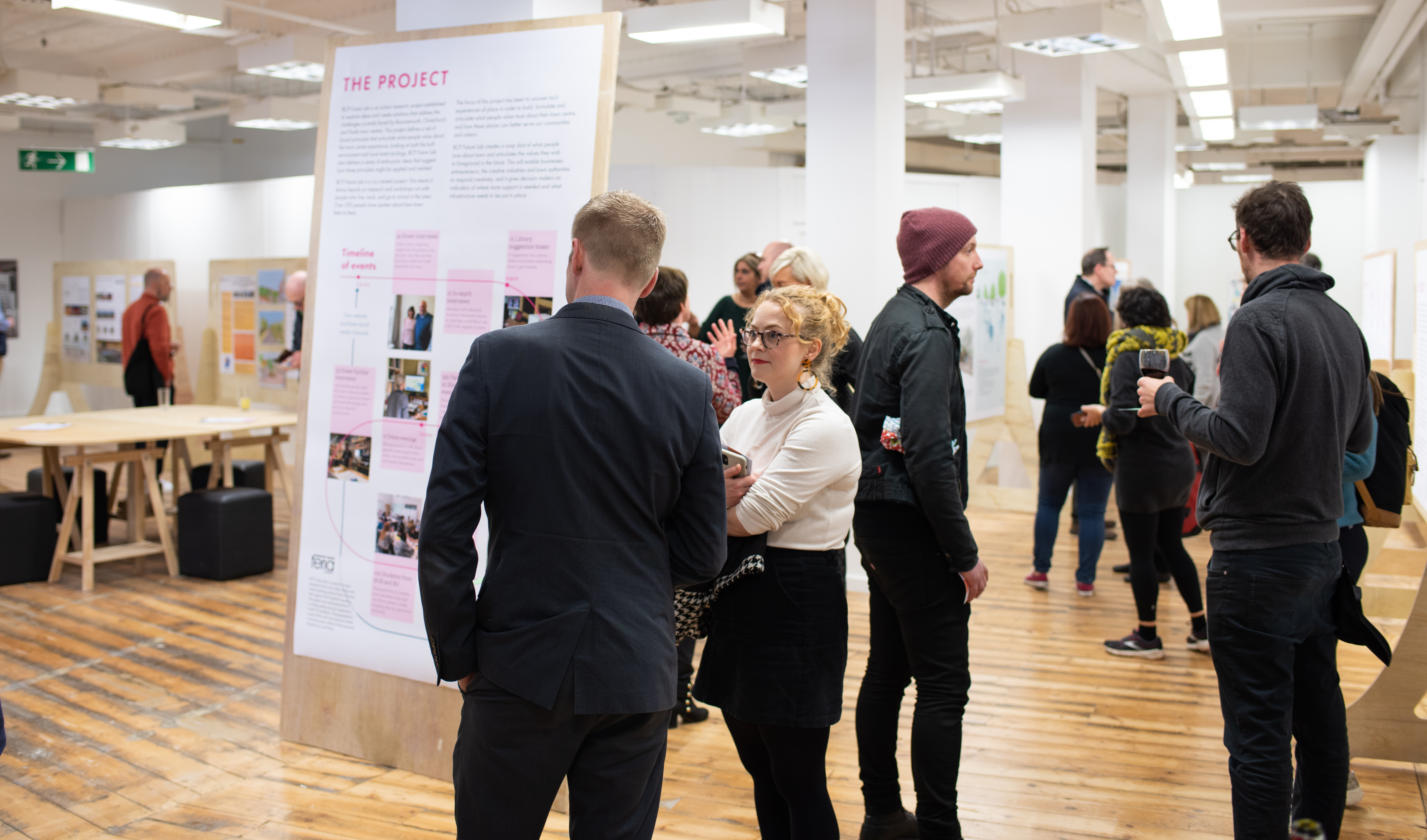
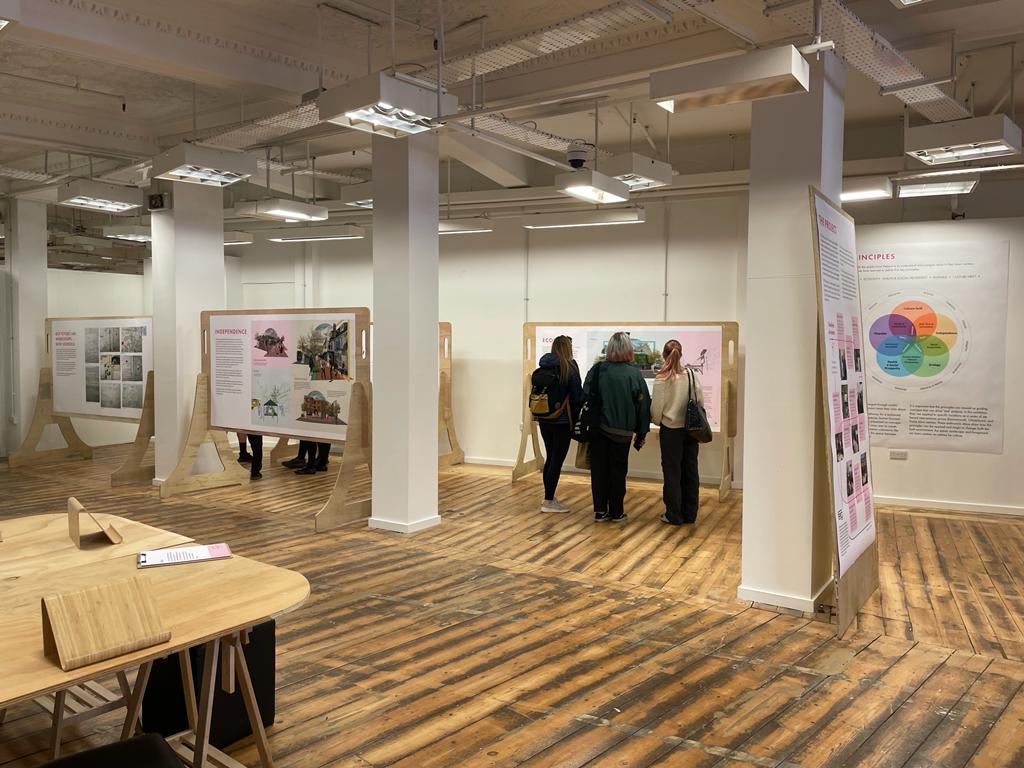
Was an eight month research project that invited over 500 residents of BCP (Bournemouth, Christchurch and Poole) to contribute to the shaping of a town centre vision and design framework that would weave together local stories, cultural insight and shared identity to create a collective story to steer the future of our town centres.
I used street interviews and conversations with local business to scope key themes and principles, before developing more in depth workshops which included work with schools, the local universities as well as community centres and libraries.
Future Stories
Jennie savage-Future-Stories-Tales-from-the-BCP-Future-Lab
Published in March 2022, Future Stories provides a methodological handbook for human-centred, citizen-led urbanism.
The findings set out in this book advocate for high streets that are community centred, playful and use urban greening and biophillic design to centre hopefulness.
Future Stories sets out a vision for town centres shaped by the human need for a centre, for connection, creativity and spaces to meet and socialise.
Context:
I wrote this book whilst in post as Creative Director at Feria Urbanism . It synthesises over two decades of work at the intersection of contemporary arts practice, social research, and statutory planning and leans heavily on my critical and creative practice of analysing how places shape people and communities.
In this book I synthesise insights gleaned from the community to develop key principles for developing regenerative town centres. I also draw on texts and lectures I have researched and given over the previous ten year for students at UAL.
The impulse of the text is grounded in OOO (object orientated ontology) and takes a non human centred approach to design, which focuses on creating complex eco-systems of things which include humans, stories and communities.
The Methodological Evolution
The Foundation for Modern Policy: By translating raw street-level conversations and lived experiences into structured planning themes, the handbook established an early model for meeting today’s UK National Model Design Code (NMDC) requirements.
Thanks to commissioned photographers Richard Page, Ashley Woodfall, Zeynep Aktuna, contributors Play:Disrupt, Cora Clarke, NATASHA PLAYER, GreenBlue Urban, Kimberly Murphey, graphic designer and illustrator and to Caroline Jackson who wrote chanptes and collaborated on text around eventful cities.


Photography by Richard Page, Ashley Woodfall & Zeynep Aktuna.