One Great Win
- Project Title: Winchester Vision 2020–2030: One Great Win
- Role: Lead Author & Creative Director
- Commissioned By: Winchester Town Forum / Winchester City Council
Listen to a selection of street interviews here.
Download docs:
One Great Win manual LIFETIMES 01
The Winchester Vision was co-written with people from the city, using a process led approach to define key issues and establish a set of themes. The over -riding actionable principal, however, was operational and focused on how people in the town could work better together.
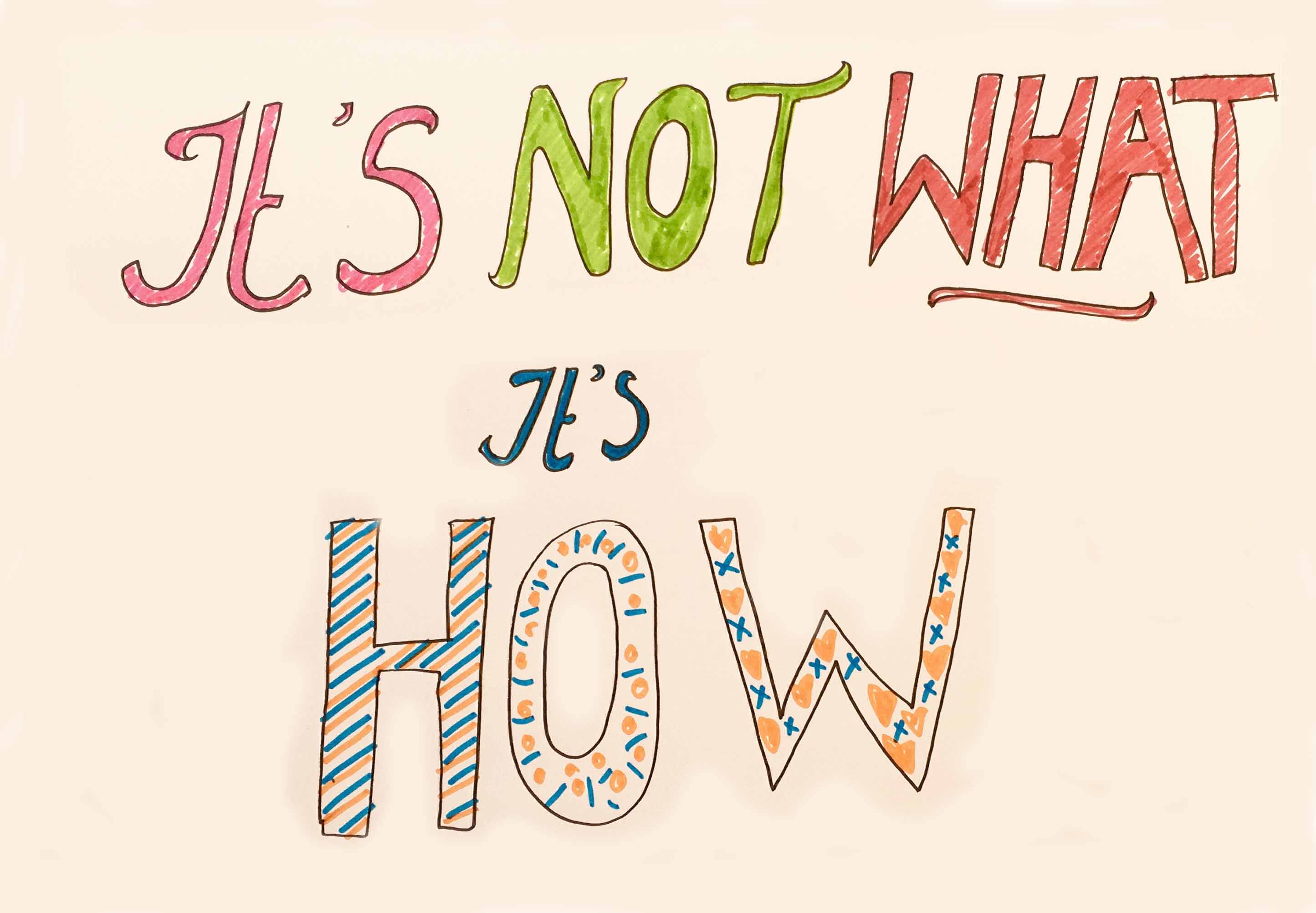
Through stake holder and local engagement it became clear that the question was not ‘WHAT’ the vision should be but ‘How’ change could happen.
Commissioned to shape the strategic framework 2020-2030, I served as the lead author and social researcher for the Winchester Vision 2030. Operating under unprecedented pandemic conditions, I designed a deep-listening methodology.
Through a combination of digital walks, structured 1:1 interviews, and immersive street research, I gathered the raw memories, anxieties, and aspirations of local residents. This qualitative data wassystematically translated into a legal, actionable framework built around five core themes: Movement, Home, Ecology, Lifetimes, and Culture. The strategy championed the radical concept of achieving ‘100 small wins’ to drive institutional change
Working groups were set up to establish in-depth understanding of key themes and a set of scaled solutions.
Much of the vision focuses on ‘the how’, creating collaborative methods to work together, share decision making and solve problems before they end up in costly planning disputes.
I was delighted to lead the writing of this this vision which was produced as part of a collaborative project with Storiie, Momo:zo , Furria burberism and Boyle and Summers.
The vision was adopted by Winchester Council in 2020.