Parks and public spaces that are inclusive have strong focus on social prosperity, play, sociability, leisure, sports, health and wellbeing. They are bio-diverse, climate resilient welcoming spaces that are multi-functional and inter-generational. As a result they are welcoming and feel safe.
This piece of work, funded by Queen Mary University of London Impact Fund, set out to test inclusive design principles in parks and public spaces to understand both the local benefits of designing for inclusivity and the barriers to adopting this approach.
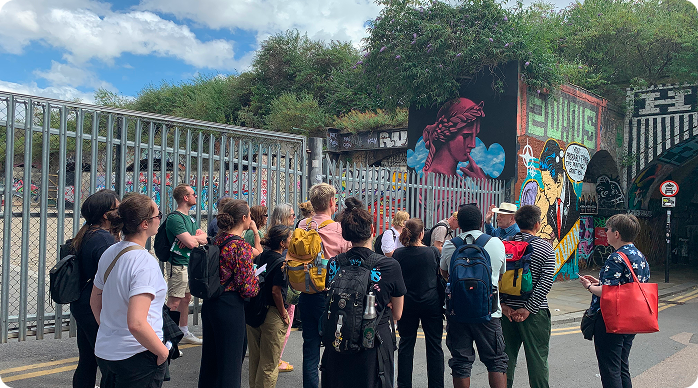
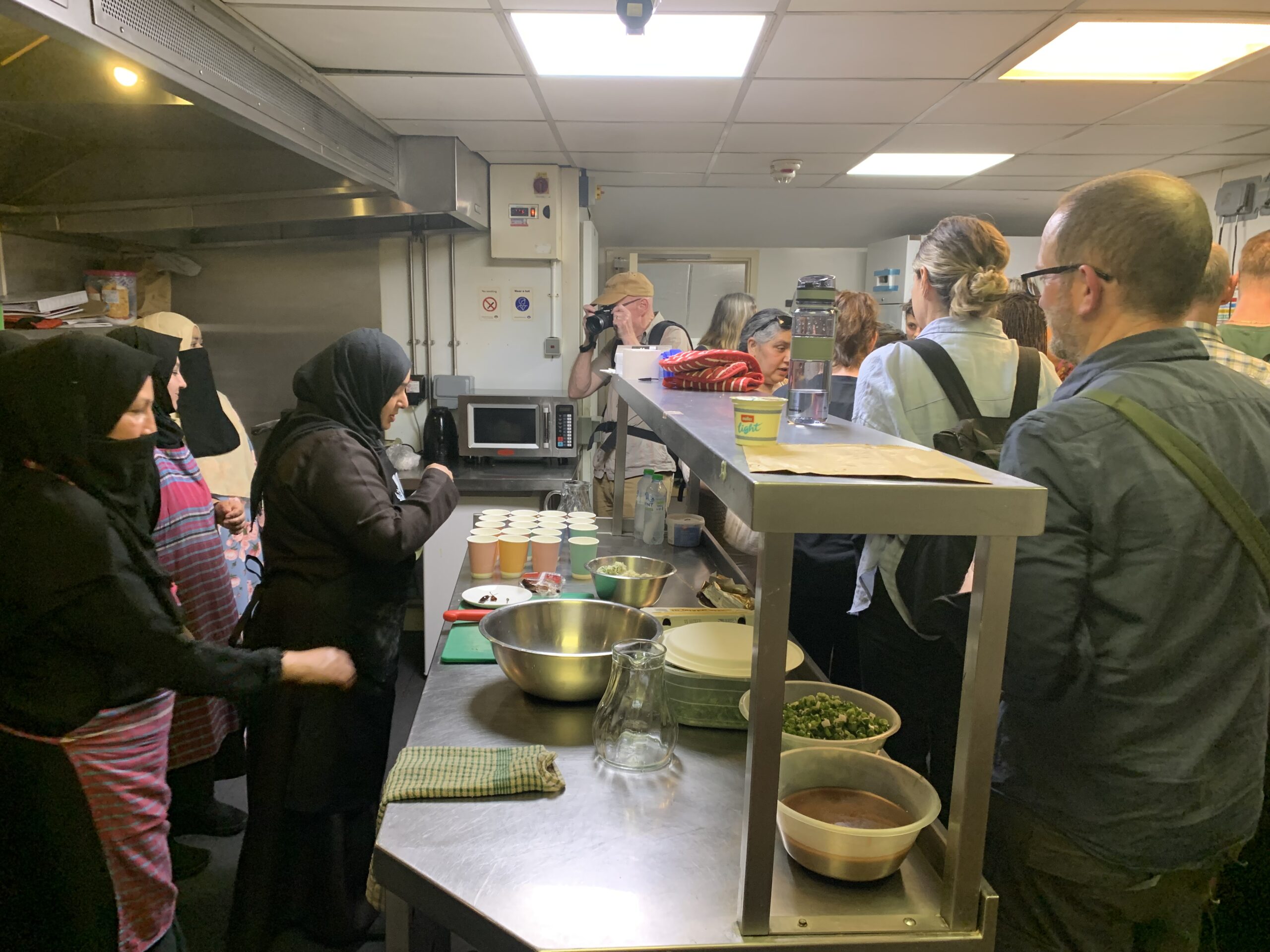
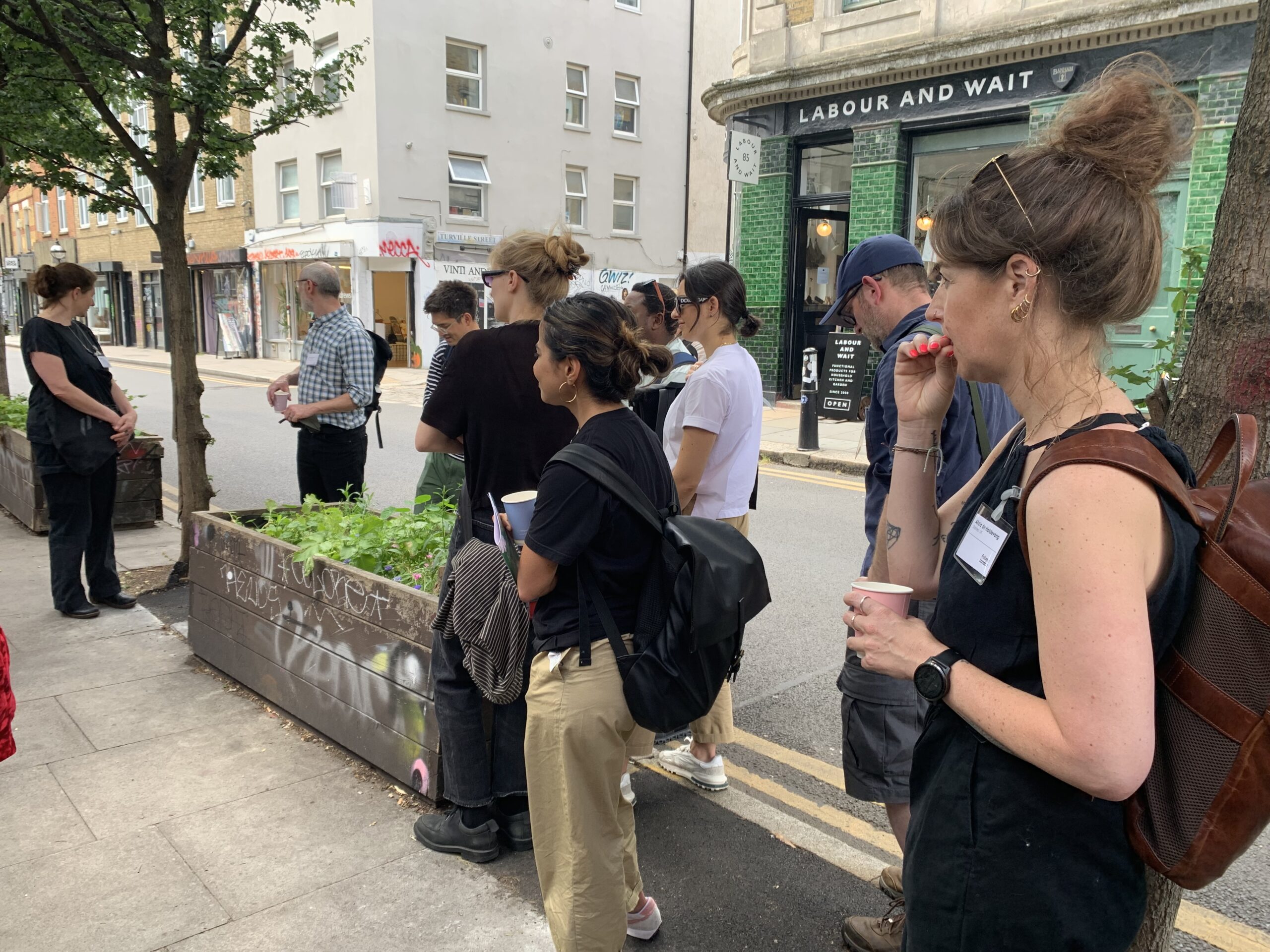
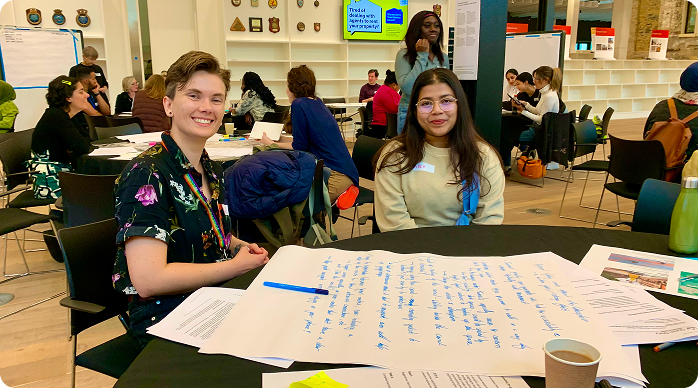
This research project concluded with a field trip tour of each project and a symposium organised by Future Of London.
Methodology:
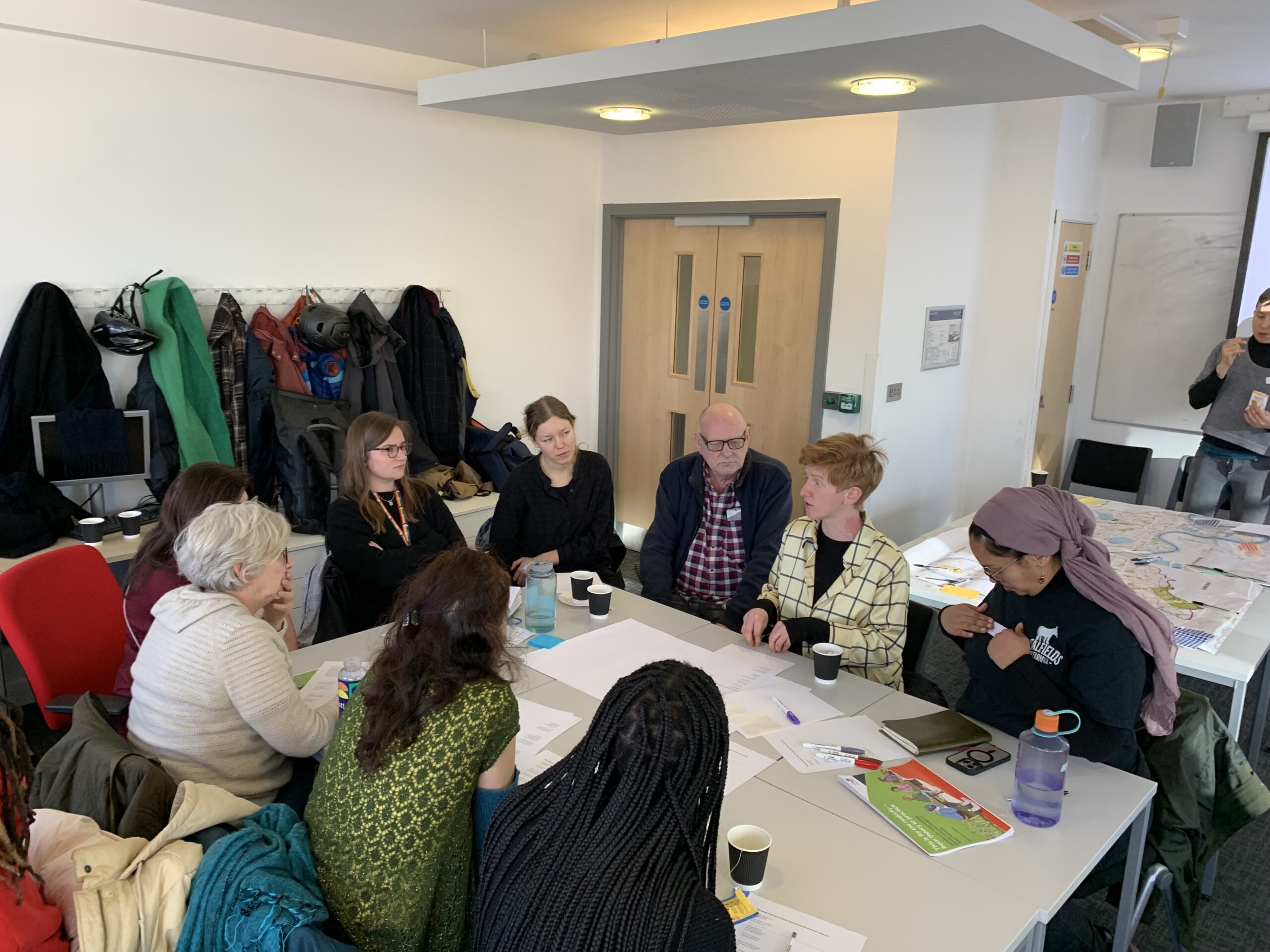
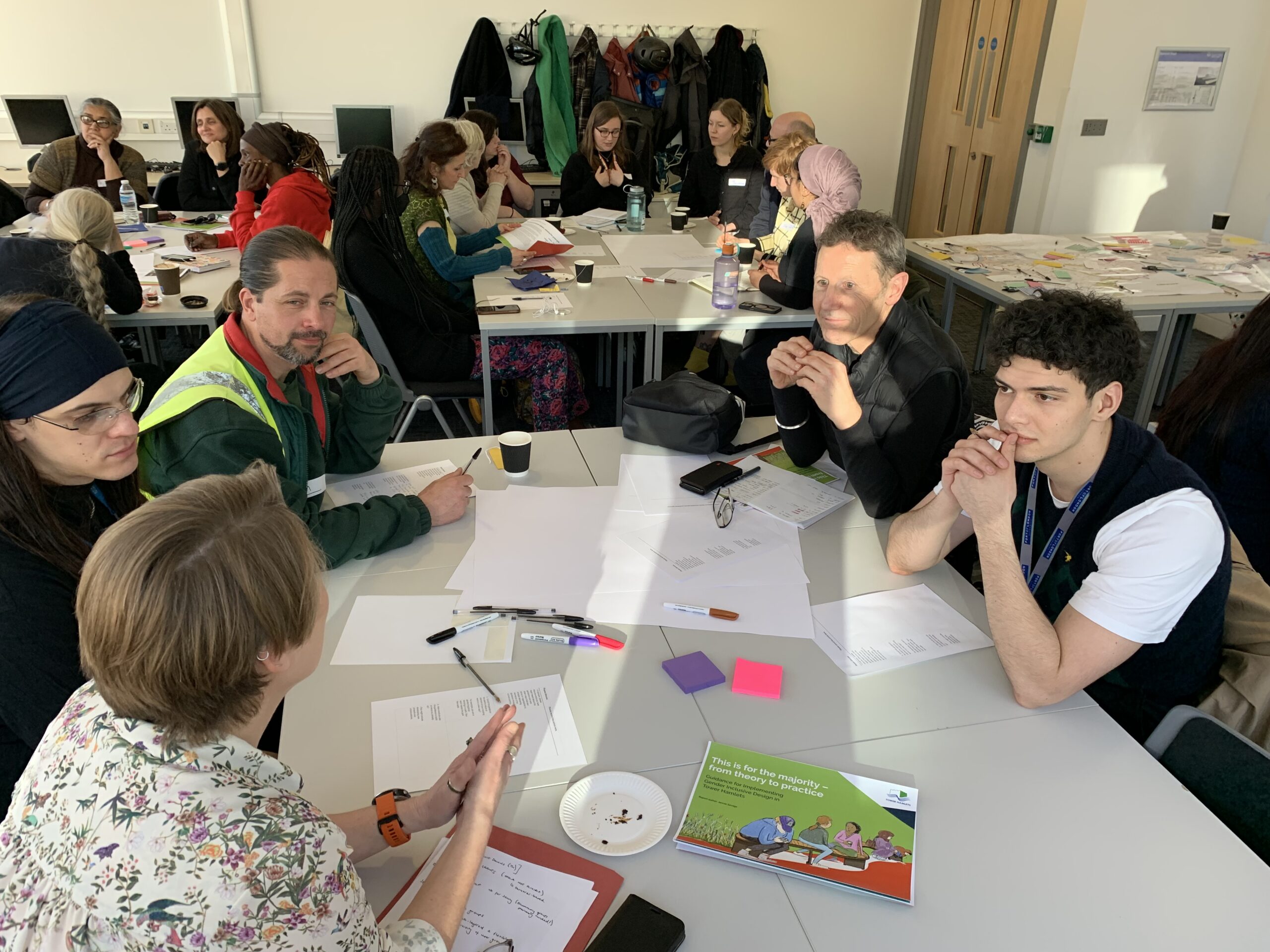
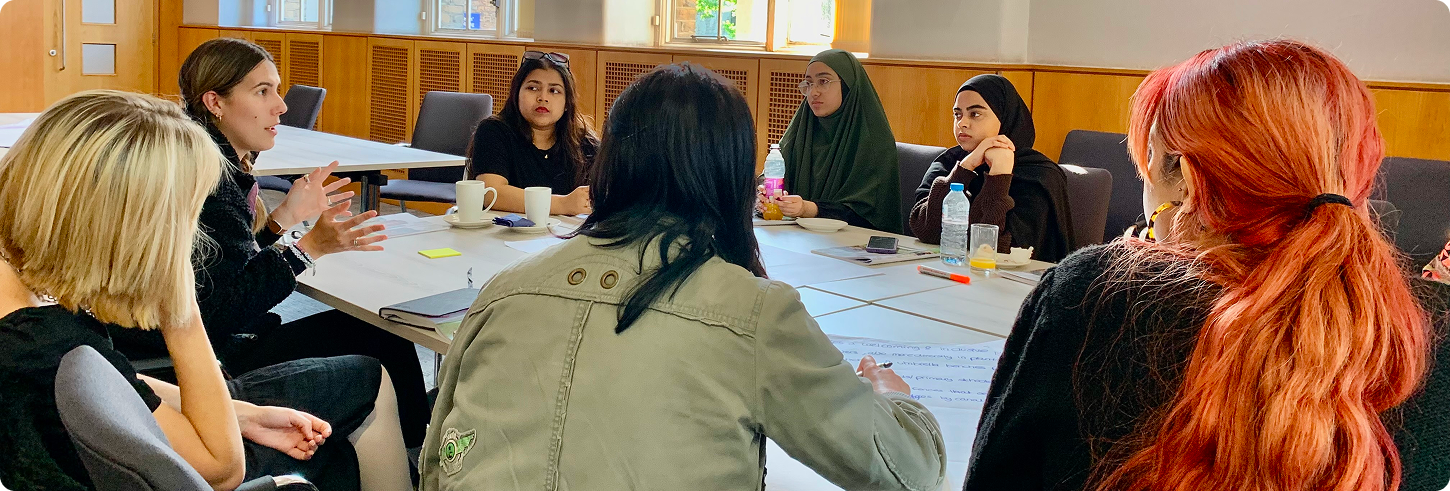
This was an action research project which funded four pilot projects from Women’s Environmental Network, Urban Adventure Base, Oitij-Jo Collective, and East London Garden Society. Each project bought a facet of inclusive design framework to life, to highlight the value of co-designing spaces, establishing circular food systems, and mapping green routes, while emphasising the need for councils to share power and secure community-led projects.
Field Trip & Symposium
The project concluded with a field trip and symposium hosted by Future of London. (July 2025)