‘This is for the majority’ is an SPD evidencing the experience of over 500 women and girls in London Borough of Tower Hamlets. The document makes recommendations about how to create welcoming, socially prosperous places that feel safer because they are informed by gender disaggregated data and first person, lived experiences.
The evidence was produced for LBTH plan making team, who were updating their Local Plan and wanted to include a new policy for gender and inclusion in design. The brief was open ended. The team understood that this area had not been explored in a policy context, therefore at the outset the purpose of the research was to understand the scope of the work.
Methodology:
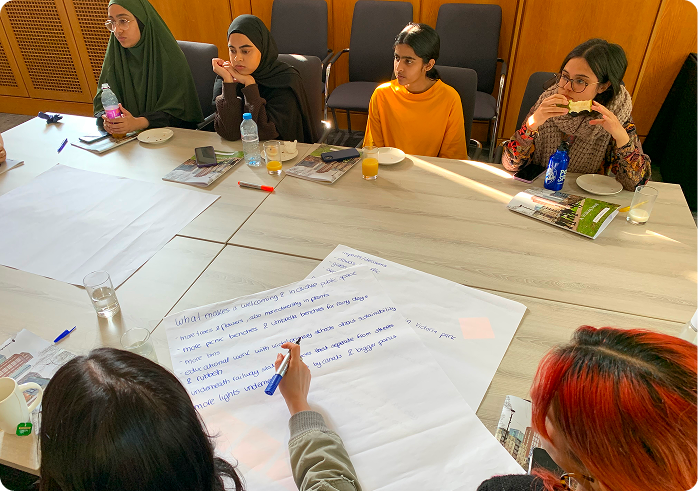
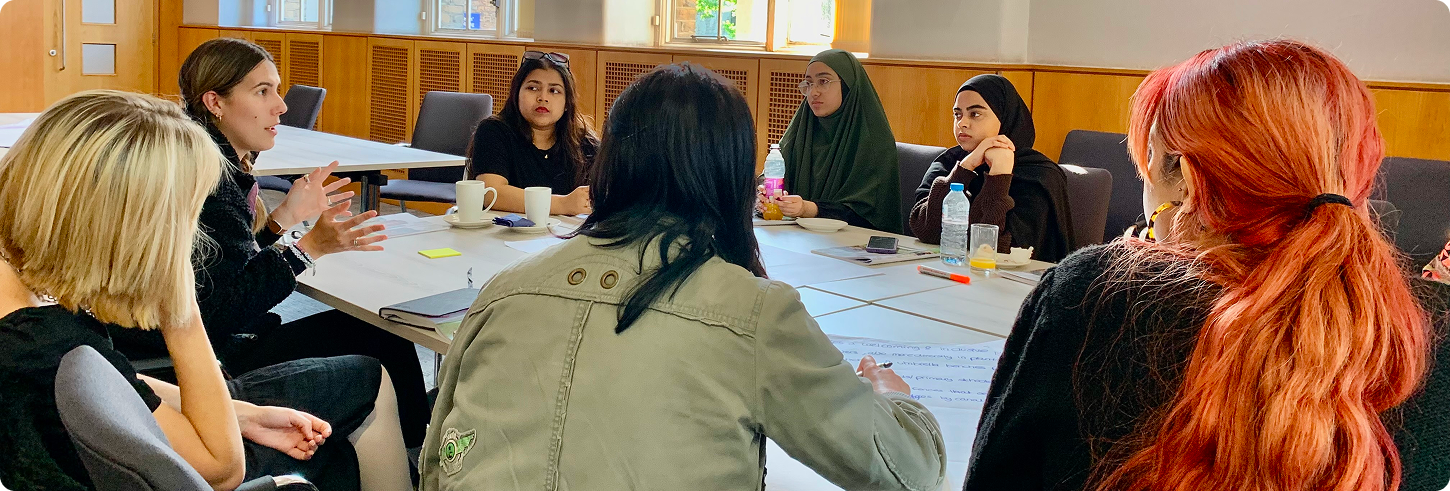
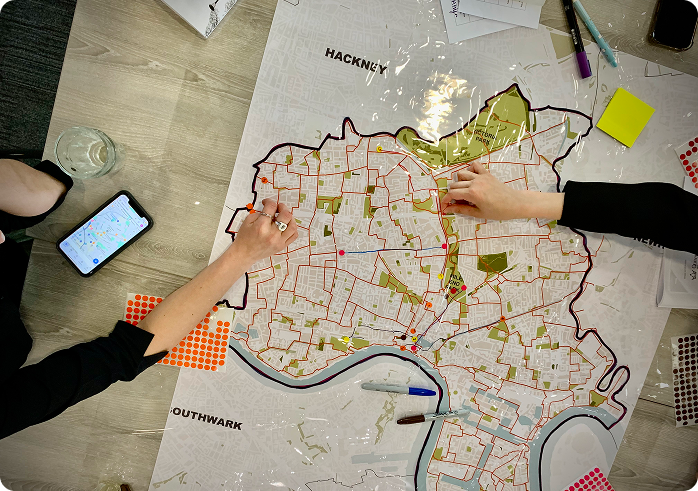
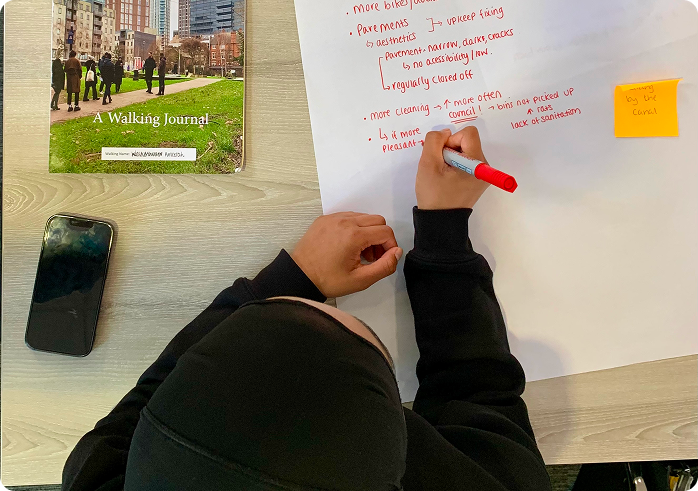
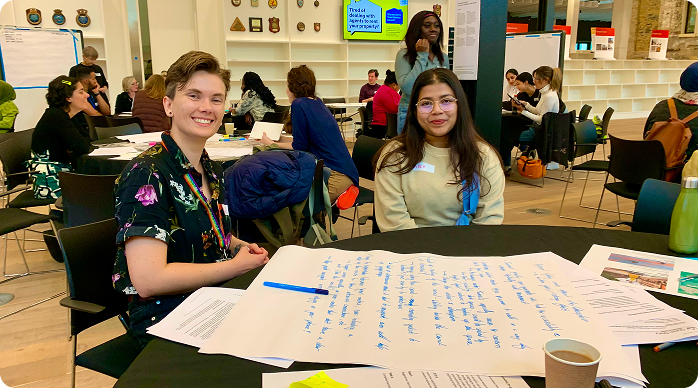
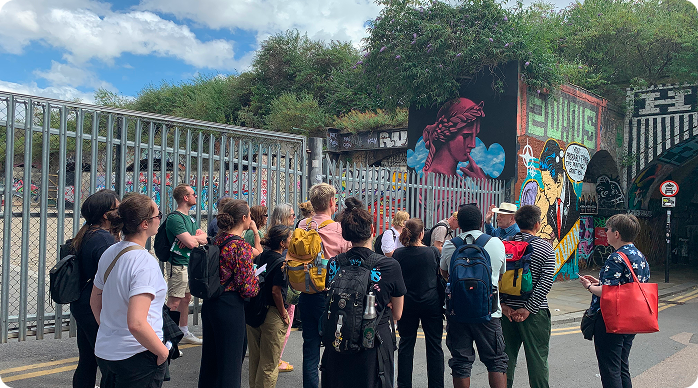
The evidence was created using a mix of approaches which included street interviews, a survey, listening exercises (online and in person) workshops (online and in person) and action research to test key themes and principles.
Adoption:
The SPD was adopted in May 2024 and had been tested through engagement in reg 18 and reg 19. The evidence sits next to a stand-alone policy and has also been aggregated throughout the relevant policies in the local plan to ensure findings are adopted evenly.
Summary of key findings:
The evidence shows that when considering gendered expererience we must challenge the limiting belief that design is a defensive strategy to protect women from violent men. The evidence shows we must adopt an expanded vision that considers the language of the built environment. Currently that design language perpetuates gender inequality, which is why it feels ‘unsafe’. A design language that embeds equity, focuses on regenerative approaches, access to nature, play, and social prosperity to create spaces that feel welcoming to all, will create an urban context that is inclusive to all.
Excerpt from ‘This is for the majority’:
Historically towns, cities and public spaces have been planned and designed by and for a small cohort of able bodied, white men. This fact does not undermine or judge their contribution, it is merely a statement of fact that provides insight into the shape of built world we have inherited.
Cities are an ongoing human project to co-create, make and re-make spaces that both speak of who we want to be ‘now’, and how we wish to be perceived in the future.
To live here is to navigate a patchwork of histories and the legacy of structures, systems and institutions that had limiting views of women and girls, disability and neurodiversity, race and ethnicity and sexual and gender identity. This perspective has shaped a city that favours and celebrates the lives of ‘successful’ men from the fine detail to the big picture. From street names and public sculptures through to a skyline of blocks and towers that replicate male power, to a transport system designed for a smooth daily commute ‘into’ town. We live amongst and navigate a built environment that is out of step with a contemporary culture which explicitly values plurality, inclusivity and diversity.
Architecture makes our culture legible. It communicates the aspirations and values of the dominant culture (i.e. those with capital). Planning shapes this language, providing the grammar and the structure but also holding space for conversation, collaboration or indeed robust push and pull between the will of the market and the needs of the community.
Cities play a vital role in production, consumption and reproduction of gendered norms and biases and are themselves shaped by gender embodiment and the experiences of its inhabitants. Gender and feminist studies show that women and men experience the built environment differently, and insufficient attention to women’s needs within planning processes reproduces gender inequality